

A Day-by-Day Look at the Final Week of Christ
Easter is a day of victory. It is the day our Saviour rose from the grave. But that victory did not come without a road—and it is worth slowing down to walk that road carefully.
The final week of Jesus’ life was not rushed or chaotic. It was ordered. Every step moved toward the cross with purpose. And when we take the time to see how it all unfolded, we are reminded that our salvation was not accidental—it was planned.
When we understand that the Jewish day runs from evening to evening, the timeline begins to come into focus.
Sunday Evening – Monday

From Sunday evening into Monday, Jesus entered Jerusalem. The city was stirred, and the people cried out, “Hosanna to the Son of David…” (Matthew 21:9). It was a moment of praise, but it was also a moment of presentation. On that same day, the Passover lamb was chosen. And here was Jesus—the Lamb of God—being publicly received. Yet even in their praise, many missed Him. They wanted help, but not holiness. They wanted relief, but not repentance. Jesus did not come just to improve life—He came to redeem it.
Monday Evening – Tuesday
From Monday evening into Tuesday, the tone shifts. Jesus enters the temple and finds it filled with corruption. What should have been a place of worship had become something else entirely. So He cleanses it. Matthew 21:12 tells us He drove out those who bought and sold. This was not just a reaction—it was a revelation. God is not pleased with outward religion that lacks inward reality. This same day, Jesus curses the fig tree, a picture of fruitless profession. It had leaves, but no fruit. It looked right—but it wasn’t right. That is the danger of empty religion. It can appear alive while being completely barren.

Tuesday Evening – Wednesday

From Tuesday evening into Wednesday, the pressure increases. Jesus is questioned, challenged, and tested by the religious leaders. Again and again they try to trap Him, but every answer He gives exposes their blindness. He teaches openly, gives parables of rejection, and warns of judgment. He speaks of His coming again and the end of the age. And yet, despite all of this truth, many still refuse Him. One of the most sobering truths of this week is this: a person can be close to truth and still reject it. Hearing is not the same as yielding.
Wednesday Evening – Thursday
From Wednesday evening into Thursday, everything turns. Jesus gathers with His disciples in the upper room. He washes their feet, institutes the Lord’s Supper, and gives final words of instruction and comfort. Even with the cross only hours away, His focus is still on others. Then they go to Gethsemane. There, the weight of what is coming presses upon Him. He prays, “Nevertheless not my will, but thine, be done” (Luke 22:42). This is not weakness—it is perfect surrender. Soon after, Judas arrives. Jesus is betrayed, arrested, and taken into a series of trials through the night. The sinless Son of God is treated as guilty so that the guilty might go free.


By Thursday morning, the events move quickly. Jesus is brought before Pilate, sent to Herod, and returned again. He is mocked, beaten, and condemned. Then He is led to Calvary. Isaiah tells us, “He was wounded for our transgressions…” (Isaiah 53:5). From 9am to 3pm, He hangs on the cross. Darkness covers the land. And then comes that final cry: “It is finished” (John 19:30). Not a cry of defeat—but of completion. The debt was paid. The work was done. Before sunset, His body is laid in the tomb.
Thursday Evening – Saturday
From Thursday evening into Friday, the first full day passes. It is a high Sabbath. Everything seems still. The tomb is sealed. A guard is set. From a human perspective, it looks like the end.
From Friday evening into Saturday, another day passes. The silence continues. The disciples are scattered and discouraged. Hope seems buried. But God is not finished. What feels like the end is often just the middle of what God is doing.

Saturday Evening – Sunday

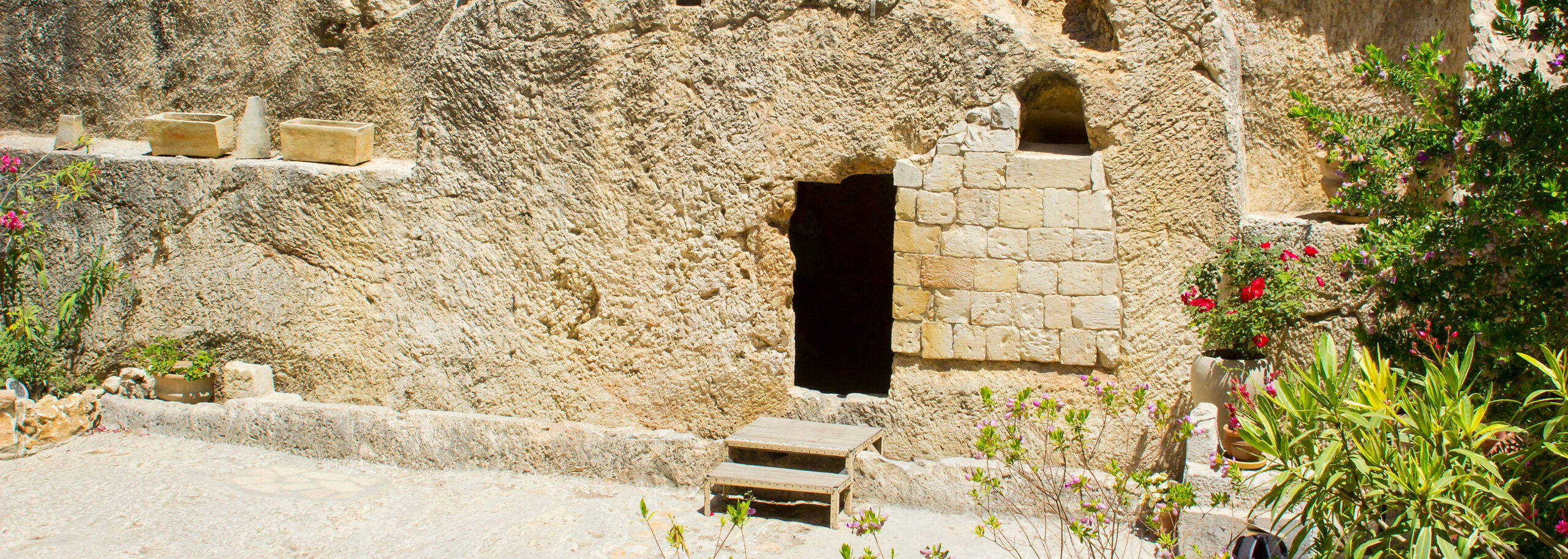
Then from Saturday evening into Sunday, everything changes. Before the sun rises, the stone is rolled away and the tomb is empty.
“He is not here: for he is risen, as he said.” (Matthew 28:6)
Exactly as He promised, Jesus rose again.
And on Sunday morning, He is seen—first by Mary Magdalene, then by others, and then by His disciples. The sorrow of the previous days gives way to joy. Death is defeated. Sin is paid for. Hope is alive.
When you step back and look at the whole week, one truth stands out: this was all according to plan. Jesus was presented, rejected, crucified, buried, and raised again—exactly as Scripture said He would be.
“Christ died for our sins… and that he was buried, and that he rose again the third day” (1 Corinthians 15:3–4).
That is Easter.
And because of it, there is hope for every sinner who will come to Him.